Why Diabetes Makes Heart Disease "Silent": The Warning Signs You Might Be Missing
A diabetic patient may walk into the clinic and say,
“I don’t have chest pain, doctor… just a little tiredness.”
That is exactly why this is dangerous.
Because in diabetes, the heart does not always scream before trouble. Sometimes it whispers. Sometimes it stays silent. And sometimes the first warning sign of heart disease is not pain at all — but tiredness, breathlessness, acidity, sweating, dizziness, or simply “not feeling right.” People with diabetes are at higher risk of silent ischemia, meaning reduced blood flow to the heart without the classic chest pain most people expect. Source
That is the terrifying truth:
you can have a heart problem and not know it.
Why Diabetes Makes Heart Disease "Silent": The hidden danger diabetes creates
Most people imagine a heart attack as dramatic — crushing chest pain, clutching the chest, collapsing to the floor. But diabetes changes the story.
High blood sugar levels over time lead to Diabetic Autonomic Neuropathy (DAN). This condition damages the autonomic nerves that regulate heart rate and pain perception, effectively cutting the 'alarm wires' between your heart and your brain. This is one major reason heart disease in diabetes may become “silent” or far less obvious. The CDC notes that people with diabetes have about twice the risk of heart disease, and the risk rises further when diabetes is combined with high blood pressure, abnormal cholesterol, obesity, smoking, and inactivity. Source
So when the heart is not getting enough oxygen, a person without diabetes may feel chest pain.
But a person with diabetes may feel… almost nothing.
Or something so vague that it gets ignored.
Why silent angina happens in diabetes
One of the most important reasons is diabetic autonomic neuropathy — nerve damage caused by diabetes. When those nerves are affected, the body may not send the normal pain signals clearly. An American Heart Association review explains that autonomic neuropathy and sensory denervation are major proposed reasons why myocardial ischemia in diabetes may be painless or “silent.” Source
In simple words:
the heart may be in distress, but the alarm system is damaged.
And that is why silent angina is so dangerous.
Not because it is mild.
But because it is missed.
The Silent Checklist: Is it "Just Tiredness" or Your Heart (The symptoms people dismiss every day)
In diabetic patients, a heart warning may show up as:
- [ ] Shortness of breath while walking or climbing stairs.
- [ ] Unusual fatigue that doesn't go away with rest.
- [ ] Burning or "gas" that appears specifically during physical exertion.
- [ ] Sudden sweating or lightheadedness.
- [ ] A "heavy" feeling in the chest (even without sharp pain).
These may sound ordinary. They are not always ordinary. Heart organizations warn that ischemia and even heart attacks can happen without obvious pain, especially in people with diabetes. Source Source
The biggest mistake patients make
They wait for “real chest pain.”
They tell themselves:
“It’s just weakness.”
“It’s only acidity.”
“I’m probably tired.”
“It will go away.”
And sometimes it does go away.
But the heart damage may continue.
That is what makes silent angina cruel. It gives people false reassurance.
Silent does not mean safe
This is the message every diabetic patient must hear:
Silent angina is not harmless angina.
The absence of pain does not mean the absence of danger. In fact, silent ischemia has important clinical significance because it can go undetected while the heart continues to suffer. The AHA review notes that silent ischemic episodes may outnumber symptomatic ones and are associated with worse cardiac outcomes and poorer survival. Source
So no, silence is not safety.
Sometimes silence is delay.
And delay is what costs heart muscle.
Delay is what costs lives.
Who should be extra alert?
If you have diabetes, your risk becomes more serious when you also have:
- high blood pressure
- high cholesterol or triglycerides
- long duration of diabetes
- smoking
- obesity
- lack of exercise
- poor sugar control
- family history of heart disease
These risk factors often travel together, and together they can quietly push the heart toward danger. Source
When should you get checked?
Please do not wait for a dramatic emergency if you have diabetes and notice:
- breathlessness while walking
- sudden fatigue during normal activity
- chest heaviness or burning on exertion
- repeated “gas” or indigestion during walking or stress
- unexplained sweating
- jaw, neck, shoulder, or arm discomfort
- a clear drop in stamina
Doctors may advise tests such as ECG, echocardiogram, stress testing, and other cardiac assessment depending on your symptoms and risk factors. Source Source
The line that may save a life
If you remember only one thing from this article, let it be this:
In diabetes, the first sign of heart disease may not be pain.
It may be tiredness.
It may be breathlessness.
It may be “gas.”
It may be a feeling you cannot explain.
Please do not ignore that feeling.
What you can do right now
Protecting the heart in diabetes is not optional. It is essential.
Take diabetes seriously.
Control sugar seriously.
Treat blood pressure seriously.
Correct cholesterol seriously.
Stop smoking completely.
Move your body daily.
Lose excess weight.
And never skip review just because you “feel okay.”
Because many patients who feel okay are not okay.
Read this before the warning becomes your story
If this article made you pause, please do not ignore that pause.
A powerful and important read on this subject is:
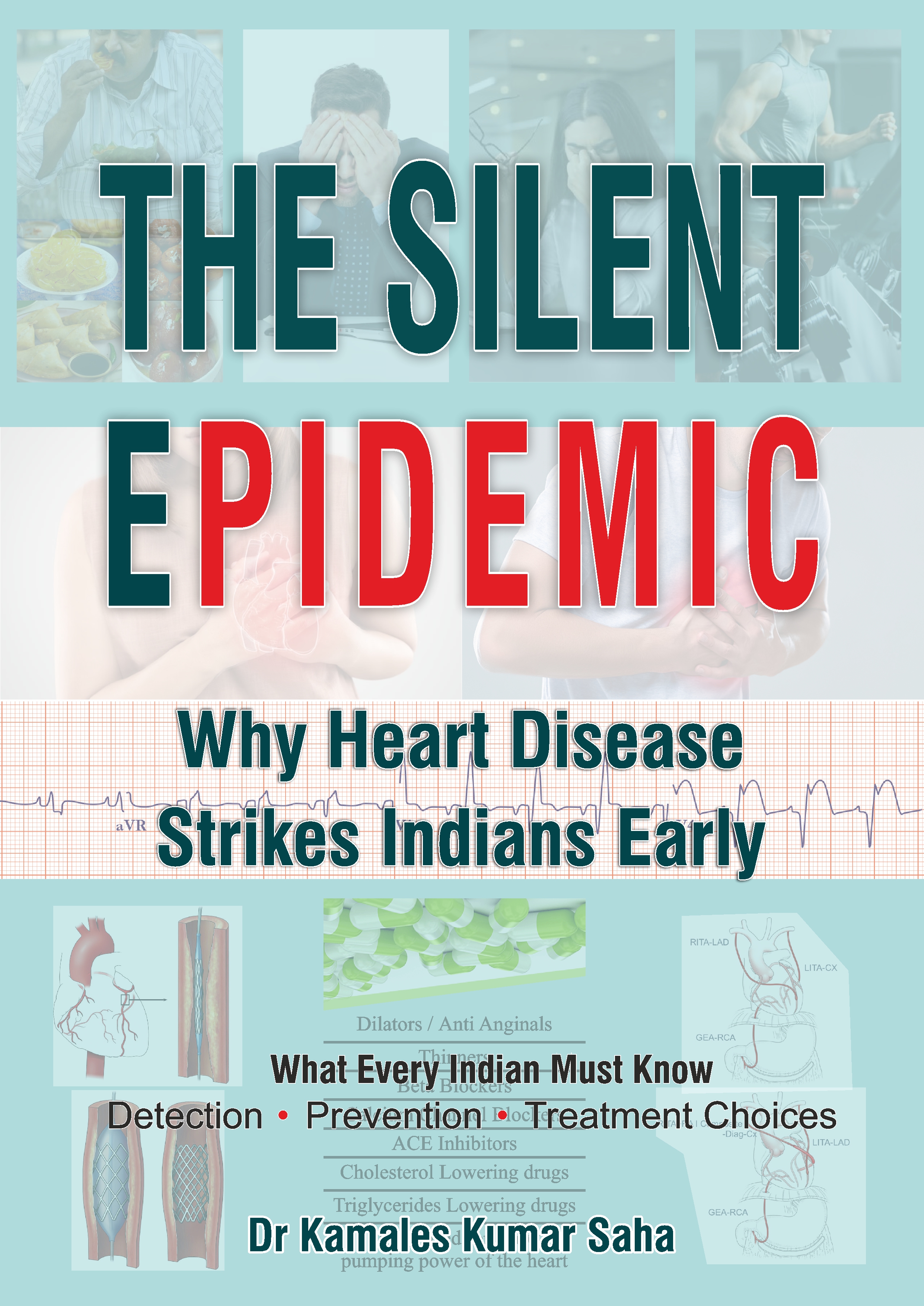
The Silent Epidemic: Why Heart Disease Strikes Indians Early: What Every Indian Must Know (Detection, Prevention, and Treatment Choices)
🔴 SPECIAL ANNOUNCEMENT
To help combat this "Silent Epidemic," Dr. Kamales Saha has released a comprehensive guide specifically for the Indian context.
The Silent Epidemic: Why Heart Disease Strikes Indians Early
- Original Price: ₹444
- Launch Price: ₹150 (Limited Time Only)
[Get Your Copy on Amazon Kindle Here] Ensure your family is protected by understanding the hidden signs today.
Get the book here:
https://www.amazon.in/dp/B0GX31SSR6
Final takeaway
Diabetes does not only raise the risk of heart disease.
It can also hide it.
And a hidden heart problem is often the most dangerous one.
If you have diabetes, do not wait for your heart to shout.
Sometimes the most serious warning is the one that makes no noise at all.
Medical Disclaimer
This content is for educational purposes only and is not a substitute for professional medical advice. Individuals with existing medical conditions or high cardiovascular risk should consult their healthcare provider before starting any new exercise routine.
ARTICLE AUTHOR
Dr Kamales Kumar Saha
Clinician–Leader · Cardiac Surgeon· Preventive Cardiologist · IICA-Certified Independent Director, Author : The Silent Epidemic
Dr Kamales Kumar Saha is a seasoned Clinician–Leader with boardroom judgment, combining deep expertise in cardiac surgery and preventive cardiology with strategic healthcare leadership. His work bridges clinical excellence and patient education— helping patients make informed, sustainable health decisions.
Copyright Notice
© 2026 Dr Kamales Kumar Saha. All rights reserved.
No part of this blog may be reproduced, stored in a retrieval system, or transmitted in any form or by any means: electronic, mechanical, photocopying, recording, or otherwise without the prior written permission of the author, except for brief quotations used in reviews or scholarly references. This book is intended for personal reading only and may not be redistributed, resold, or reproduced in any format without permission.